
Fuel, Fertiliser and Freight in Focus at RPC Luncheon
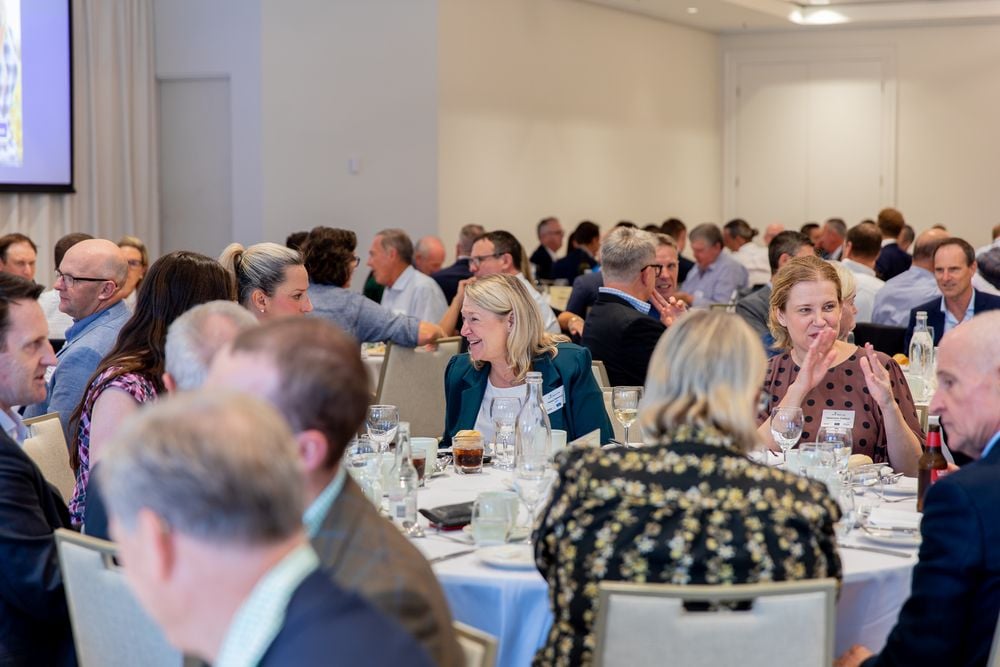
Energy security, supply chain resilience and rising global uncertainty took centre stage at a packed Queensland Rural Press Club luncheon on Friday, 1st May, as industry leaders gathered to discuss the growing pressures facing Australia’s fuel, fertiliser and freight sectors.
Titled “Fuel, Fertiliser & Freight - What the F is Going On?”, the event brought together experts from across the supply chain to examine how ongoing global conflicts, declining domestic refining capacity and volatile input markets are reshaping the future of Australian agriculture and transport.
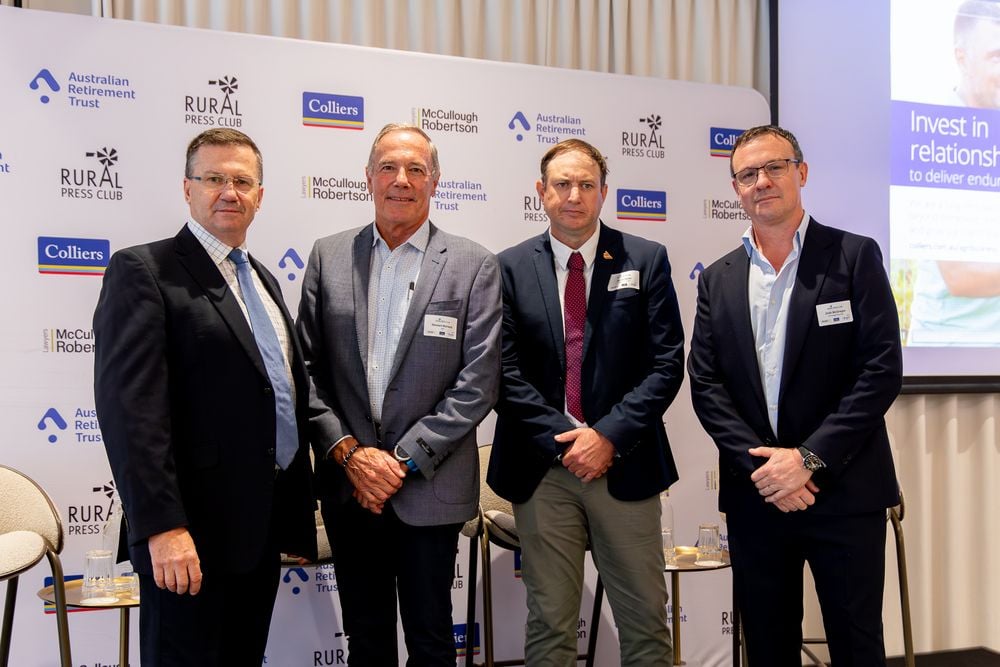
The discussion was led by Rob Hart, alongside panellists Stewart Morland, Josh McGregor and Jared Seiler.
Ahead of the event, the Queensland Rural Press Club highlighted growing concerns surrounding disruptions to global supply chains underpinning fuel, fertiliser and freight, particularly amid escalating tensions in the Middle East and the ongoing Russia-Ukraine war.
Speakers reinforced that this is not a typical oil shock. For the first time, oil fields and production facilities themselves have become targets, creating significant instability across global energy markets. Combined with Australia’s declining refining and manufacturing capacity and critically low emergency fuel reserves, panellists warned the nation faces an increasingly vulnerable position.
Stewart Morland drew on nearly five decades of experience in the fuel industry, including his role with IOR and the Eromanga Refinery, to outline the realities facing regional fuel supply and distribution networks.
Josh McGregor spoke about the direct implications global disruptions are having on fertiliser supply chains, particularly given the sector’s heavy reliance on natural gas sourced from overseas markets, including the Middle East. He noted that while fertiliser continues to deliver strong returns on investment for producers, supply certainty is becoming an increasingly important issue for Australian agriculture.
Jared Seiler highlighted the critical role freight plays in keeping regional Australia functioning, reminding attendees that “the country runs on diesel trucks”. Drawing on his experience in both primary production and transport, he stressed the importance of maintaining resilient freight networks during periods of global uncertainty.
A strong theme emerged throughout the discussion: economics ultimately drives the system. From the decline in refinery numbers to the reality that crude oil touches almost every aspect of modern life, speakers emphasised just how interconnected modern supply chains have become.
Among the key insights shared with attendees were the growing importance of efficiency and resilience in agribusiness operations, the shift away from “just-in-time” supply chains, and the need for greater investment in fuel storage and strategic reserves at both national and on-farm levels.
With Australia consuming around 100 million litres of fuel per day, the luncheon served as a timely reminder of the scale of the challenge facing industry and policymakers alike.
As global instability continues to affect input costs and supply certainty, the discussion focused not only on what is happening now — but how businesses and industries can adapt for a more uncertain future.
Quotes from the event - gathered by RPC 2025 Student Scholarship winner, Milly Buck:
Jared Seiler — President of the Livestock and Rural Transporters Association of Queensland and Director of Seiler Transport: “The one takeaway today would be this is not over yet.”
Josh McGregor — Managing Director of McGregor Gourlay: “This is going to be a long, multi-year recovery. We're going to need a lot of resilience in the Ag sector to be able to help all our growers at every level overcome it.”
Stewart Morland — Director and part owner of IOR: “My belief is that we need to build strategic storage as fast as we can onshore in Australia. And when we have this next energy or supply shock, having strategic storage is like a shock absorber. So it takes out some of that immediate effect. People start believing that we, as a country, do have 60 days or 90 days [of fuel remaining]. We have 30 days—that’s nothing, right? So when the government invests in strategic storage, it will give everybody a massive amount of confidence that we're actually doing something to solve the problems of the future.”
Key Quotes from speech:
“The world has changed and it's never going to go back to the old. So, what does that mean? Elevated energy crisis elevated diesel crises. Why is that? Because there's this great disconnect between supply and demand.” — Stewart Morland
“So just to go another 30 days we need 3 billion litres of refined product stored onshore. 3 billion. But then what you’ve got to do is build tanks because there isn't enough steel in this country to store an additional three billion litres.” - Stewart Morland
“So then next thing in the freight industry I can see it will be happening will be prioritising the freight. So, what gets moved first and what has to stop? So, definitely the intensive industries—piggeries, feed lots, chickens, all of that — are certainly going to have to keep on moving, but things like rodeos and camp drafts will probably be the first to be dropped off.” - Jared Seiler
| Tags:Rural Press Club QLDEvent Recaps |