
Post Budget Address by Senator Matt Canavan
Proposed budget is “bad news” for rural Australians, by Milly Buck.
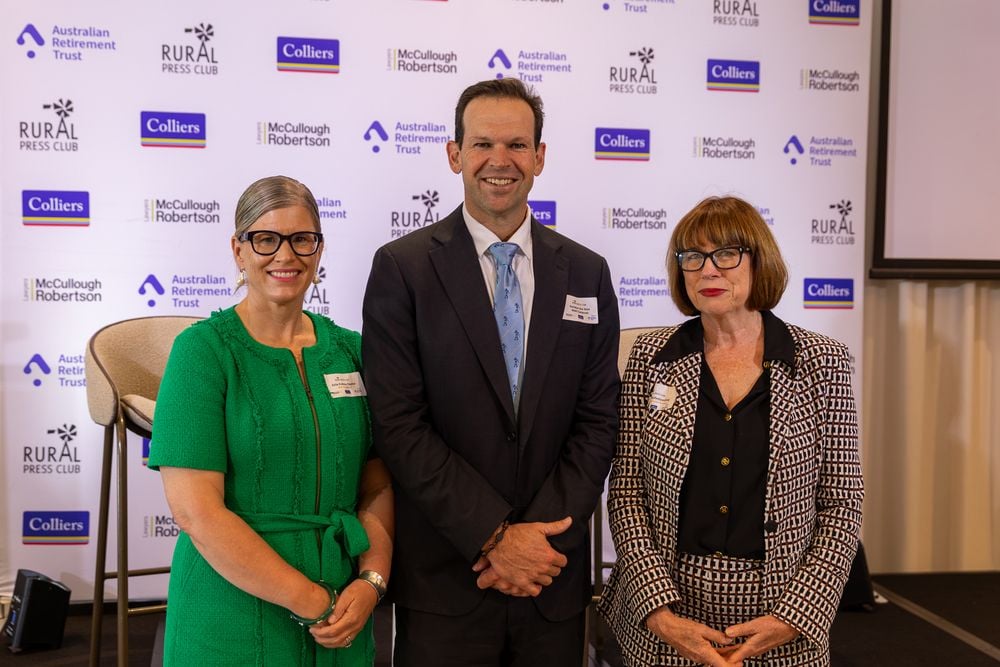
Nationals leader Senator Matthew Canavan says the Labor Government’s budget is “particularly bad news for those of us that have an interest and love for rural Australia, and for our farm sector”.
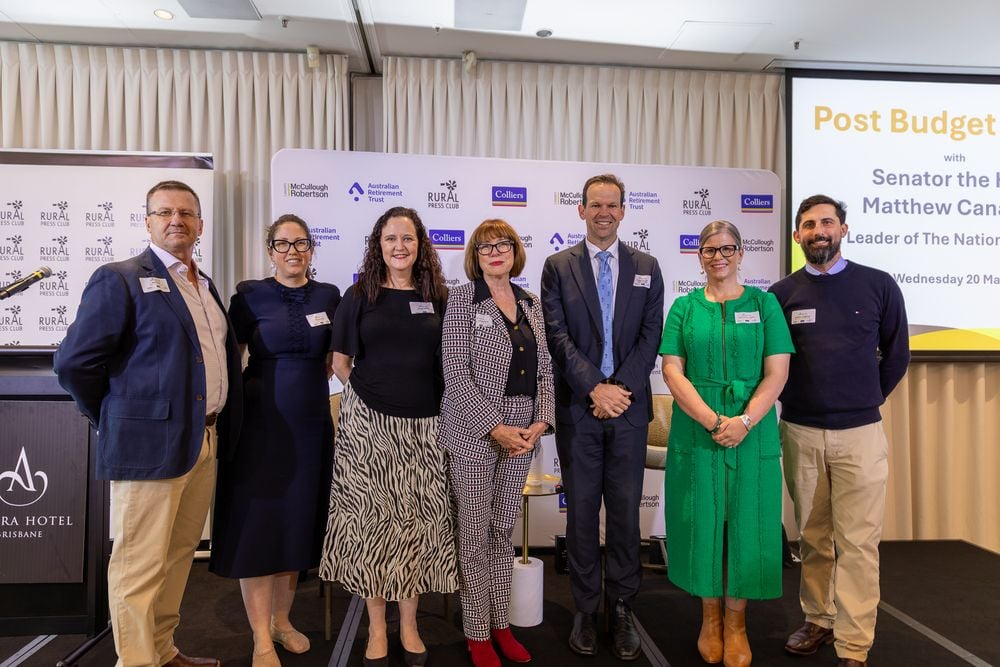
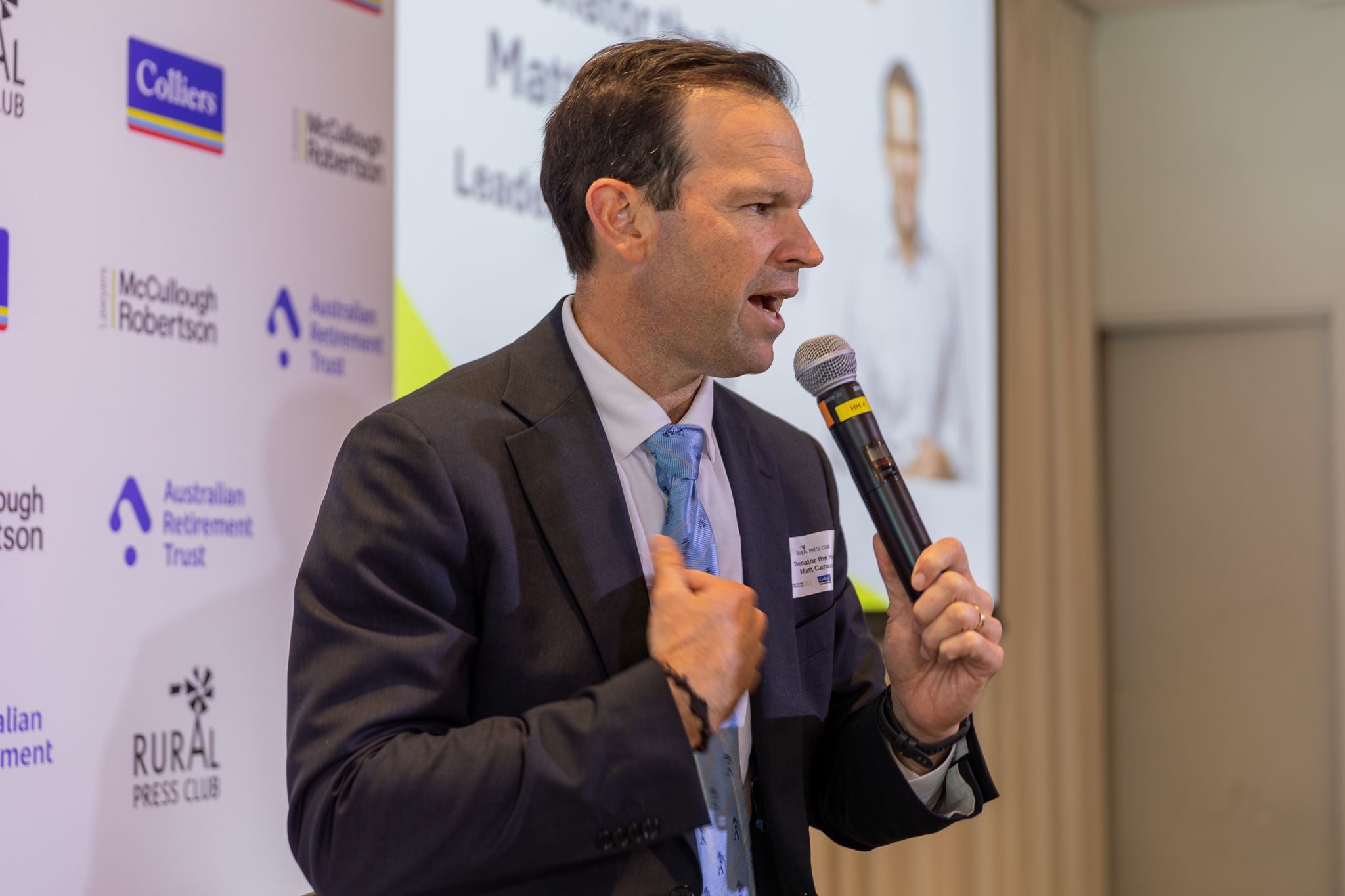
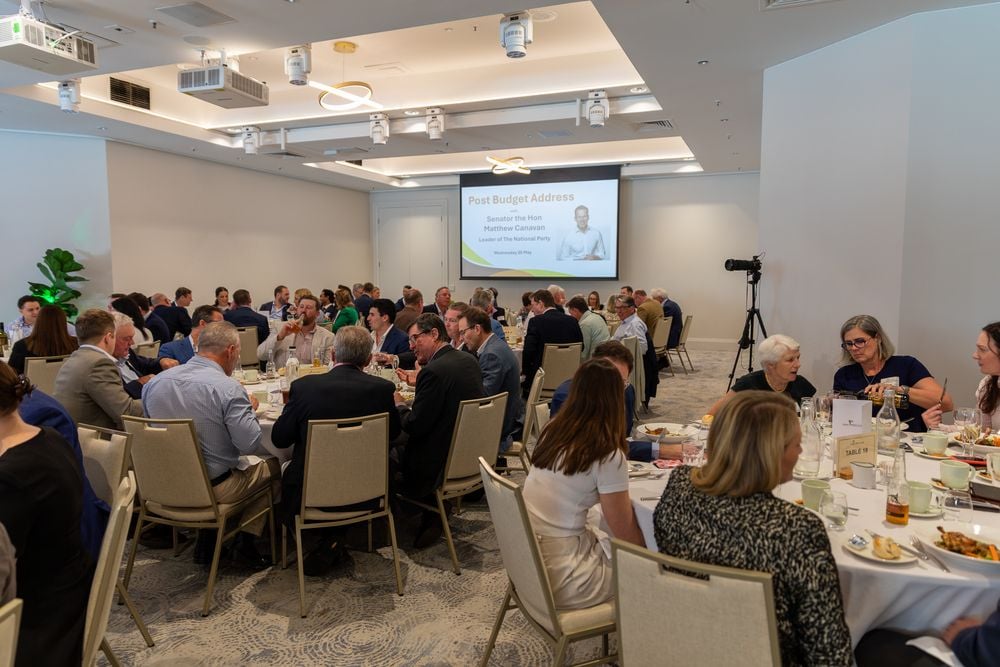
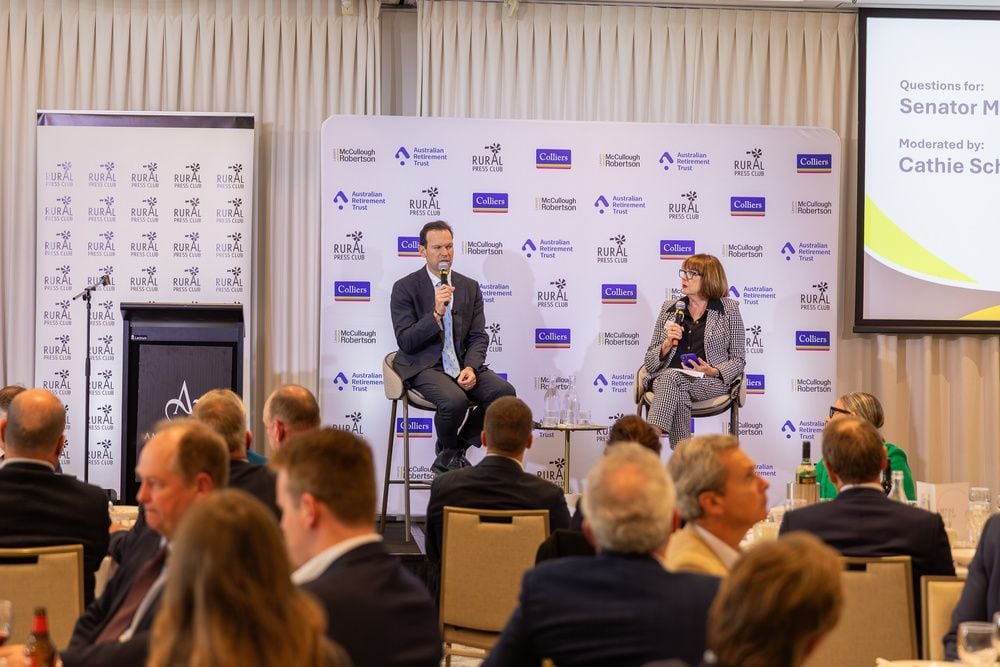
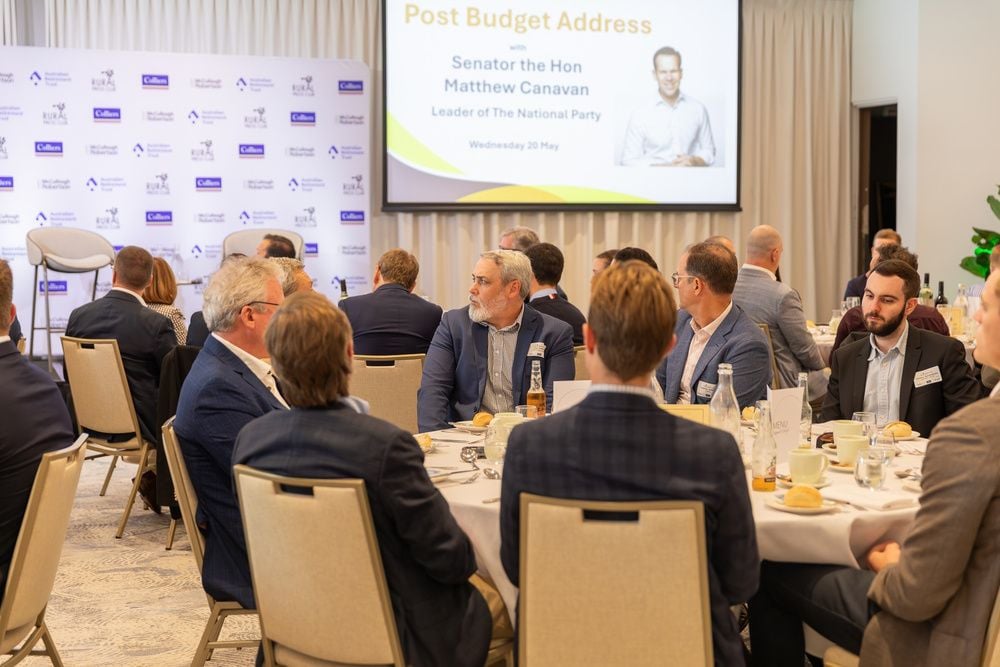
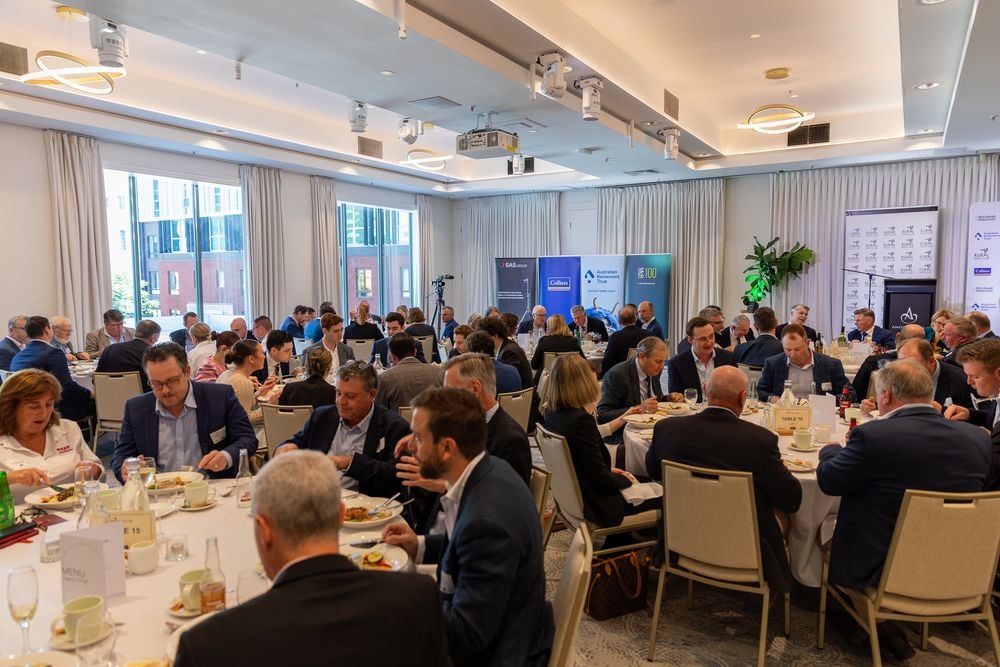
Speaking at the Rural Press Club in Brisbane following the Federal Budget, Senator Canavan repeatedly called on the Government to take its policies to an election.
“These taxes that have been announced by the Prime Minister have been done with no mandate and no representation from the Australian people,” he said.
“[Prime Minister Anthony Albanese] should take these taxes to an election and get that mandate. And if people decide they don't want Anthony Albanese as Prime Minister, then we won't have these taxes - because myself and Angus Taylor, and the entire Liberal-National team, we will fight these taxes,” he said.
Senator Canavan addressed a range of issues, including changes to capital gains tax, fertiliser and fuel shortages, carbon credits and water infrastructure.
Changes to Capital Gains Tax
Traditionally Australia has used a nominal based tax system, where taxpayers are taxed on their unadjusted income regardless of inflation. The Government’s budget proposes shifting some investments, including capital gains tax, to a real base system, where costs are adjusted for inflation before tax is calculated.
Senator Canavan argued that the nominal system exists to “encourage innovation and growth.”
“In farming, you tend not to make a lot year on year. It's a pretty skinny game; the profit margins are fairly thin. You're trying to survive through weather, through global markets but you get by. What you hope for over time is the land price appreciates, and you make good money through that. If you look at the official stats that's exactly what happens, on average.”
He said if these changes go ahead, it would be “one of the biggest—probably the biggest—tax grab on Australian farming in history, to go from a 23% tax rate to a 38% overnight, without a mandate from the Australian people. How is that going to help young Australians get into farming?”
Fertiliser and Fuel Shortages
Senator Canavan also highlighted concerns about the rising costs of fertiliser and fuel supply.
“At climate protests, you often see signs saying, “you can't eat fossil fuels”. Well, you can — as almost all major fertilisers used in the world come from fossil fuels. If we don't have them, if we don't use them, we're not going to eat,” he said.
He mentioned a recent trip to the Farrer electorate, where he spoke to locals about issues concerning them.
“Probably the biggest issue that was raised with me in Farrer was fertiliser prices. It constantly came up. Prices have roughly doubled for a lot of people since the war in Iran, and the Government’s sole response is to sign blank checks to get fertiliser and fuel into our country.
He challenged the Government to response to this crisis imports, saying we need to produce more fertiliser and fuel here in Australia and get back into the game of making urea again.
The Safeguard Mechanism
While few at the Rural Press Club event were aware of the Safeguard Mechanism—which was introduced by the Abbott Government in 2016 and reformed by the Albanese Government in 2023—Senator Canavan explained it is costing Australia’s remaining oil refineries.
“The Safeguard Mechanism is a carbon tax. It only applies to 219 businesses, which is why many people haven’t heard of it, but those businesses are some of the most important in this country. It’s paid by our last two oil refineries.
“Analysis shows they will have to pay $165 million between now and 2030 to meet their commitments to reduce carbon emissions,” he said.
Senator Canavan remains unimpressed with the Governments response to the ongoing fuel crisis and believes the Safeguard Mechanism undermines Australia’s energy security.
“We’re subsidising oil production in other countries, while the Prime Minister announces we’re bringing in 100 million litres from Brunei and a couple of hundred from Malaysia, yet we're putting a massive tax on our last two oil refineries here in Australia. It doesn’t make any sense it's absolutely insane,” he said.
Carbon Credits
Senator Canavan stated “currently the way Australia makes carbon credits is we buy up some farmland, kick off the cattle and the crops, fence it off and that, I’m told, magically lowers the temperature of the globe,” he said.
He went on to say that the Government requires a further 18 million hectares of land for carbon offsets to reach Net Zero.
“We've already converted seven million to get where we've got. We’ve got to do another 18 million—that's according to ABARES analysis. How much is 18 million hectares? Well Tasmania is about six. So, three Tasmania’s need to be locked up. And they're not getting locked up in the desert, by the way. ABARES released a map—more than half of its now wheat, sheep, and high rainfall zones in the Murray Darling, northern Tasmania and the wheat belt,” he said.
Water Infrastructure
Senator Canavan believes that the Government’s budget changes are the “final nail in the coffin for the proposed national water grid.
“When we left government, we left the Labor Party a list of dams to build, like Hell’s Gate, that were funded.
“In last week's budget, the funding was stripped away. We no longer have an agenda to build water infrastructure or dams to grow farming. Well, I want to change that. I also want to get rid of the red tape surrounding Net Zero the government’s new EPBC Act reforms.
Senator Canavan ended his speech in support of Australian producers, stating “most of all, as leader what I want to see is governments off the backs of farmers, costs to come down and encouragement to invest again without major changes or new taxes coming in. We need to make sure that the regulations, not just the taxation but the regulations that are on farmers, are coming from people who support them in farming areas. We should have no taxation without representation, but we should also have no regulation without representation, as well.”
Full Transcript can be viewed HERE
Contact: Rural Press Club of Queensland reporter Milly Buck millster04@icloud.com
Milly Buck was awarded the 2026 Rural Press Club of Queensland scholarship to support her through her final year of studying Business and Communications at the Queensland University of Technology. As the Club’s inhouse reporter, Milly attends RPC events to report on news and speeches delivered this year.
| Tags:Rural Press Club QLDEvent Recaps |